 |
 |
 |
||
 |
 |
|
 |
||
 |
 |
 |
 |
||
 |
 |
 |
 |
 |
||||
|
||||


 |
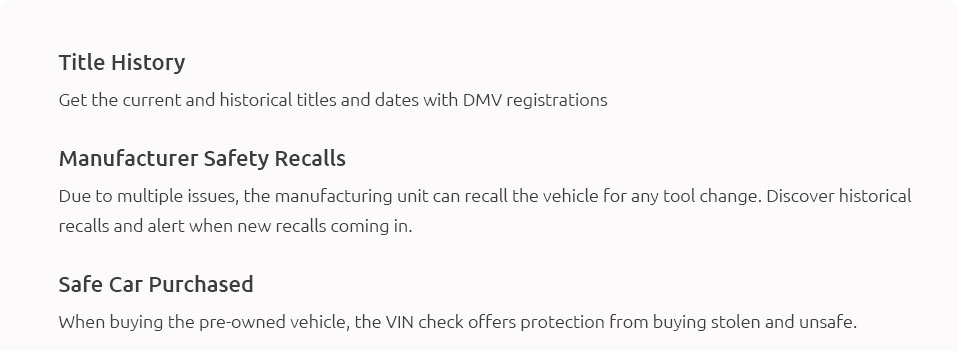
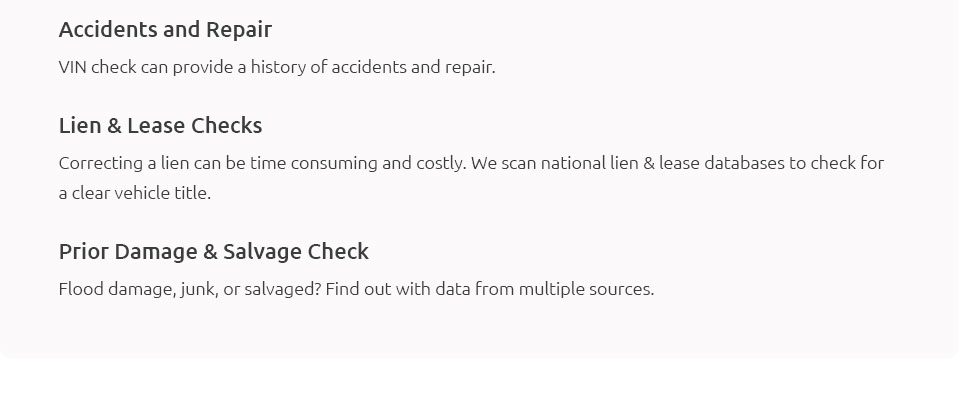
Understanding the Importance of Trailer VIN Number ChecksIn today's fast-paced world, where the transportation industry plays a pivotal role in keeping the wheels of commerce turning, ensuring the integrity and reliability of trailers has never been more crucial. One essential aspect of maintaining this integrity is the trailer VIN (Vehicle Identification Number) check. This practice, while seemingly straightforward, holds significant weight in the realm of vehicle safety and legal compliance. But why is it so important, and what exactly does it entail? The VIN is akin to a trailer's fingerprint-a unique sequence of characters that provides a wealth of information about the vehicle. Each VIN comprises 17 characters, and deciphering these characters can reveal details about the trailer's manufacturer, model year, place of manufacture, and even the specific assembly line on which it was built. Conducting a trailer VIN check can be remarkably beneficial for both buyers and sellers. For buyers, it offers peace of mind, ensuring that the trailer they are purchasing is indeed what it claims to be and not a stolen or salvaged unit. For sellers, a VIN check can enhance credibility, showcasing a transparent history of the trailer in question. One cannot overlook the importance of a trailer VIN check when it comes to safety. Trailers, by virtue of their function, are often subjected to rigorous usage and, at times, harsh environmental conditions. A thorough VIN check can reveal crucial information about any past accidents or modifications that might compromise the trailer's structural integrity. Moreover, it ensures compliance with industry standards and regulations, which is paramount for avoiding legal complications down the road. However, like any other tool, trailer VIN checks come with their own set of advantages and limitations. On the positive side, they offer a comprehensive overview of the trailer's history, which is invaluable for making informed decisions. The process is relatively straightforward, and with the advent of online databases, conducting a VIN check has never been easier. Websites dedicated to VIN decoding, such as lookup car features by vin number and bmw vin number search, provide user-friendly platforms to delve into vehicle histories. On the flip side, one must consider the accuracy of the information obtained. Not all databases are created equal, and discrepancies may arise, particularly with older trailers or those with complex histories. Additionally, while a VIN check is a powerful tool, it is not exhaustive; it should ideally be complemented with a thorough physical inspection by a qualified professional. In conclusion, while the task of conducting a trailer VIN number check may initially seem daunting or even unnecessary to some, its importance cannot be overstated. Whether you're a prospective buyer or a seasoned seller, the insights gained from a VIN check can be invaluable, offering a deeper understanding of the trailer's past and paving the way for a safer, more informed decision-making process. Embracing this practice not only aligns with best industry practices but also contributes significantly to the broader goal of ensuring safety and compliance within the transportation sector. Ultimately, the trailer VIN number check is a small step that can lead to significant peace of mind. https://www.carify.com.au/services/trailer-vin-check
For any trailer made before 1988, they will have a chassis number usually stamped on the underside. Why do I need a Trailer VIN check? Trailers are just like ... https://instantvinreports.com/how-to-check-a-trailer-vin-number
The VIN number can be found on the trailer's frame or tongue and can be used to track the trailer's history, including ownership, accidents, and repairs. https://www.nisrinc.com/apps/cmvid/
USE OF THIS SOFTWARE: VIN Decoding is based on original manufacturer's info. Any vehicle modifications, conversions or discrepancies should rely on vehicle ...
|
